
 Cars And Track Staff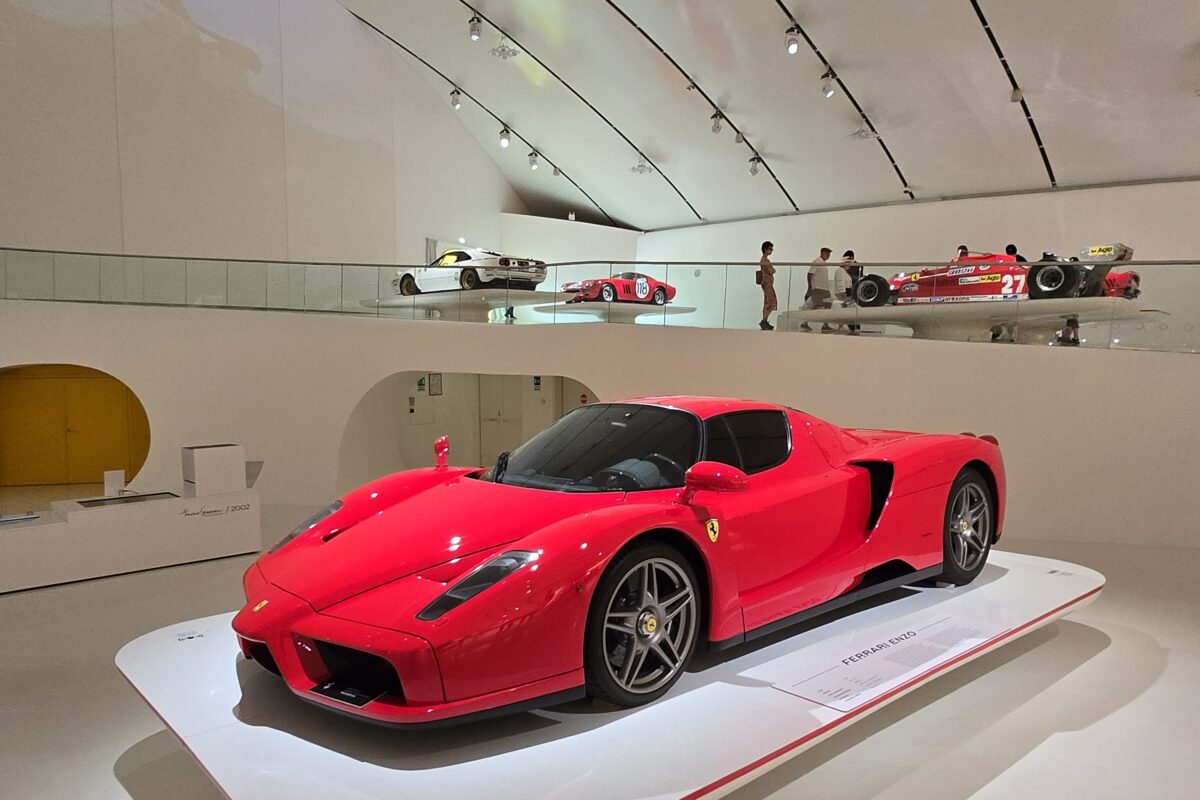
Alright, gather ’round, ye connoisseurs of internal combustion and questionable financial decisions. Today, we’re taking aim at a particular strain of automotive neuroticism that infects the exotic car market like a bad case of Italian electrical gremlins: the low-mileage Ferrari obsession.
You know the type. They’ve got a pristine F430 with 3,000 miles on the clock, bought as an “investment.” It lives under a custom-fitted dust cover, in a climate-controlled garage, on a battery tender, probably with its tires inflated with nitrogen and the engine oil changed every six months despite never seeing above 2,000 RPM.
And to that, we say: WHAT ARE YOU DOING?!
The Myth of the “Garage Queen” Longevity
Let’s get one thing straight: these aren’t Fabergé eggs. They’re intricate machines designed to be driven. Hard. By Italians, mostly. And then by people rich enough to buy them. The idea that letting a precision-engineered piece of machinery sit dormant for years on end is somehow “preserving” it is not just flawed, it’s financially suicidal.
Here’s a newsflash for all you garage hermits: cars are meant to move.
- Seals Dry Out: Those glorious V8s and V12s are full of rubber seals and gaskets. When they sit, they dry, they crack, they leak. And a Ferrari leak isn’t just a puddle on the garage floor; it’s a four-figure bill from the specialist who charges by the hour and requires a specific wrench blessed by the Pope.
- Fluids Go Bad: Brake fluid absorbs moisture, engine oil degrades, coolant breaks down. “But I change it every year!” you cry. Great, but if it’s not circulating, it’s not doing its job consistently, and fresh fluid can’t fix seals that have become brittle from disuse.
- Electronics Get Fickle: Modern exotics are rolling supercomputers. And computers, especially Italian ones, tend to get moody when not regularly exercised. Sensors go wonky, wiring harnesses develop minds of their own, and suddenly your priceless asset is throwing more error codes than a Windows 95 machine.
- Tires Flat Spot: Ever seen a Ferrari with flat spots on its tires from sitting too long? It’s a sad sight, and a costly replacement, especially when they’re bespoke Michelins or Pirellis.
The Real “Investment” is the Experience
We’re not saying don’t maintain your car. Far from it. Regular, diligent maintenance is key. But that maintenance is infinitely more effective when the car is actually used.
The truth is, a low-mileage exotic often means a neglected exotic. The most expensive repairs often come from cars that sit. The best way to avoid those terrifying “engine out” services that make your wallet weep is to keep the fluids flowing, the gears turning, and the engine singing its glorious song.
Think of it this way: what’s more valuable? A car with 5,000 miles that sat for 10 years and now needs every single rubber component replaced, or a car with 40,000 miles that has been driven regularly, serviced meticulously, and enjoyed for thousands of glorious miles?
The market is slowly waking up to this. While ultra-low mileage cars will always command a premium for their “collectibility,” smart buyers are starting to realize that a Ferrari with 20-30k miles that has a verifiable service history and evidence of being driven is often a more reliable, and frankly, more enjoyable proposition.
So, What’s the Moral of the Story?
If you’ve got a Ferrari, a Lamborghini, a McLaren, or any other wheeled masterpiece, stop treating it like a museum piece. Fire it up. Take it to the track. Drive it to get groceries (because why not?). Drive it through a tunnel with the windows down. Take the long way home.
The best way to “preserve” your exotic is to let it do what it was born to do: chew up asphalt, ignite your senses, and make glorious, glorious noises. The joy it brings you, and the fewer headaches it gives you from neglected parts, will be a far better return on your investment than trying to keep the odometer reading in the triple digits.
Now go. Drive. And for the love of Enzo, get some miles on that thing!
