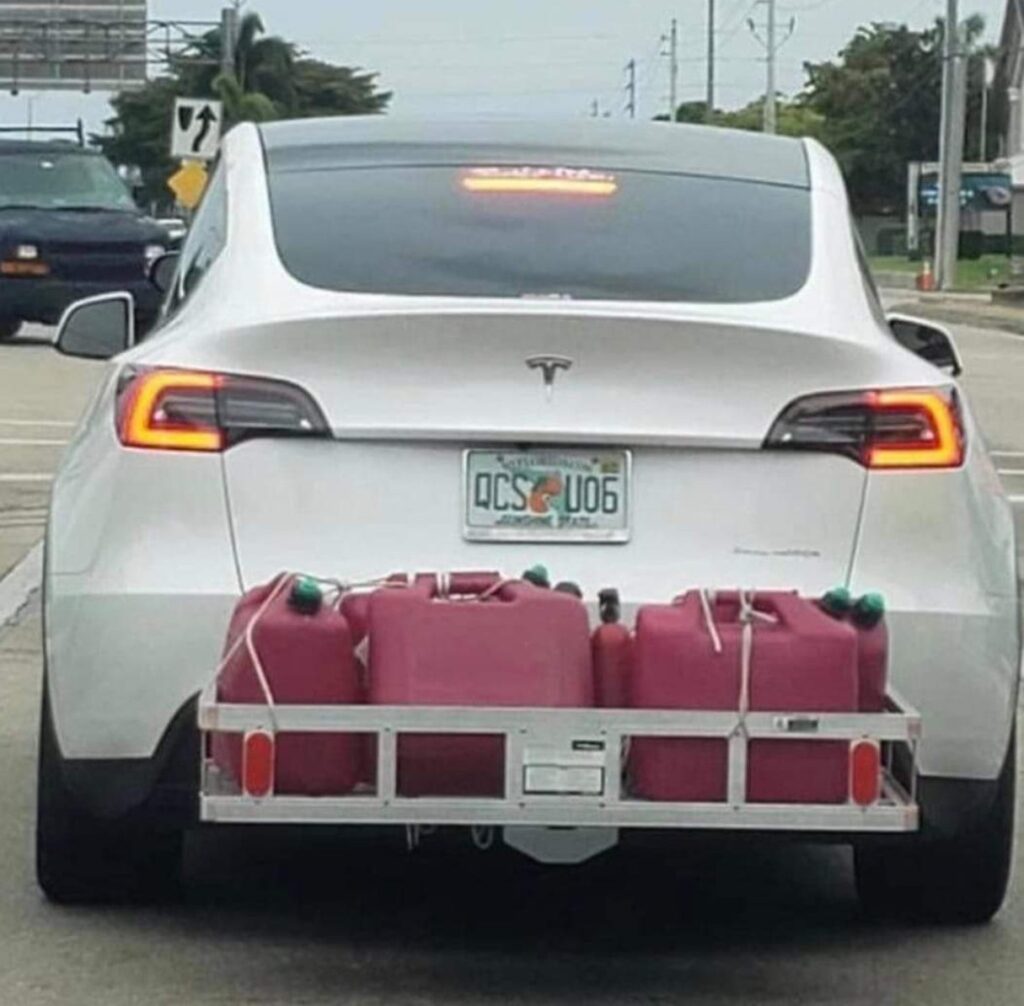
 Cars And Track Staff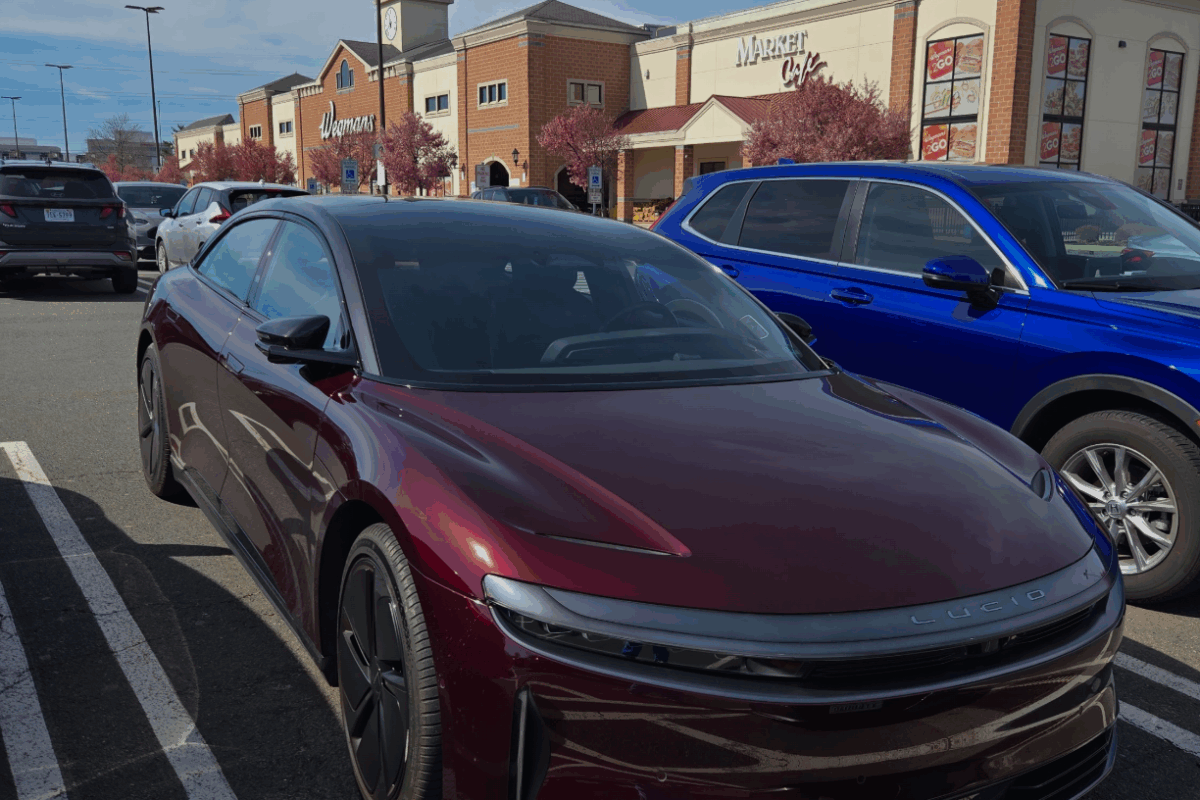
A recent report by S&P Global Mobility has dropped a bombshell on the automotive industry: While traditional gasoline-powered vehicles (ICE) are staying on the road for an average of 12.5 years, electric vehicle (EV) owners are swapping their keys for a new model every 3.6 years.
For a community like Cars and Track, where we value both the soul of the machine and the cutting edge of performance, this gap raises a massive question: Are EVs becoming the new “disposable” smartphone of the car world?
Why the Three-Year Itch?
The 12-year lifespan of a gas car feels familiar—it’s about mechanical endurance and long-term value. So why are EV owners moving on four times faster?
1. The “iPhone Effect”
In the combustion world, a five-year-old engine is barely broken in. In the EV world, five-year-old battery tech can feel like an ancient operating system. With ranges jumping from 200 to 400 miles and charging speeds doubling in just a few years, owners are treating EVs like tech gadgets—upgrading as soon as the “next big thing” hits the showroom.
2. The Lease Culture & Early Adopters
The demographic currently buying EVs tends to be wealthier, tech-focused, and more likely to lease. When that three-year lease is up, they aren’t buying out the car; they’re leveling up to the latest hardware.
3. Residual Value Anxiety
We’ve all seen the headlines about EV depreciation. Because technology moves so fast, older EVs risk becoming obsolete faster than their gas-guzzling cousins. Many owners choose to sell early while the battery health is high and the tech is still relevant, rather than risking a “brick” 10 years down the line.
The Market Shake-up
This rapid-fire ownership cycle is doing more than just keeping dealerships busy; it’s reshaping the entire market.
- The Used Market Tsunami: We are about to see a massive influx of 3-year-old EVs hitting the used lots. This could finally make electric driving affordable for the average enthusiast, but it also puts huge pressure on the resale value of brand-new models.
- A Growing Age Gap: The average age of the total U.S. vehicle fleet has climbed to a record 13.6 years. We are effectively seeing a “two-track” economy: a fleet of aging, durable gas cars kept alive by maintenance, and a revolving door of high-tech EVs.
- Reliability vs. Relevance: A gas car usually leaves the road because it breaks. An EV leaves its first owner because it becomes dated. This shifts the focus from mechanical repair to software updates and battery modularity.
The Cars and Track Take
Is this short cycle sustainable? Environmentally, the “keep it for 12 years” model of gas cars is hard to beat, even with tailpipe emissions. For EVs to truly win the long game, the industry needs to move away from the “disposable tech” mindset and toward upgradable hardware.
For the purists, there’s a silver lining: as the masses chase the newest screen and the fastest charging port, those reliable, long-lasting ICE models are becoming the “vintage” stalwarts of the road.