
 Cars And Track Staff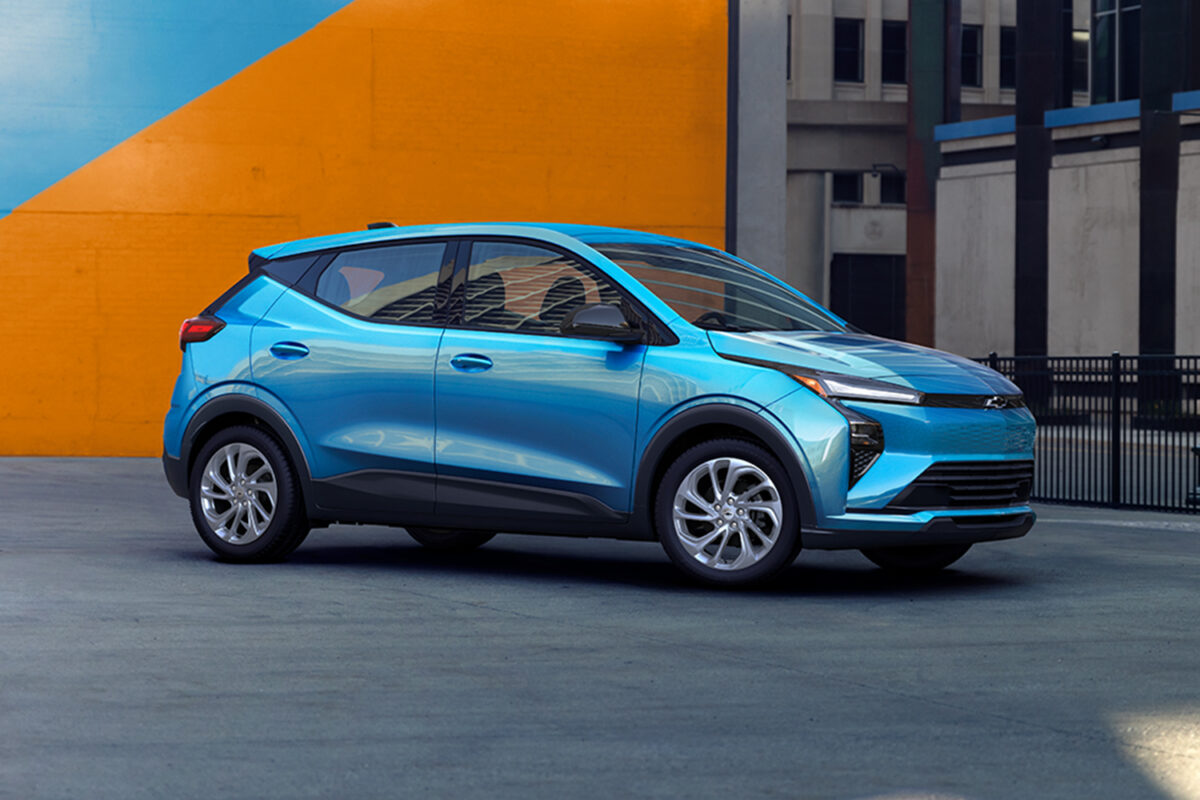
The $30k Electrics: Why 2026 is Finally the Year of the Affordable EV
Remember when buying an electric car meant choosing between a six-figure luxury sedan or a quirky hatchback that looked like a science experiment? Well, welcome to 2026. The “early adopter” tax has officially expired, and the era of the affordable American EV has finally arrived.
Despite the federal tax credit taking a bow in late 2025, automakers have responded with a “price war” that is music to our wallets. If you’ve been waiting for the moment when an EV costs the same as a gas-powered crossover, this is it.
Here is the breaking news on the bargain-hunters’ new favorites.
1. Guess Who’s Back: The 2027 Chevrolet Bolt
The rumors of the Bolt’s death were greatly exaggerated. GM’s value hero returns to showrooms this month (January 2026) with a sleek new look and a starting price that should make every gas station nervous: $28,995.
- Why it matters: It’s the first Chevy with a native NACS (Tesla-style) port, meaning you can pull up to a Supercharger without fumbling for an adapter. Expect around 262 miles of range and a massive jump in charging speed—it’ll juice up from 10% to 80% in about 25 minutes.
2. Nissan’s Giant Leap: The 2026 Leaf
The Leaf has officially graduated. It’s no longer just a “city car”; it’s a full-blown crossover starting at $29,990.
- Why it matters: It finally ditched the old CHAdeMO plug for the NACS standard, making it a legitimate road-trip contender.
3. The Adventure Bargain: 2026 Subaru Uncharted
Subaru just dropped the Uncharted EV, a Crosstrek-sized electric crossover designed for people who actually go outside. Starting at $34,995, it’s the most affordable way to get into a rugged, AWD electric SUV.
- Why it matters: It’s built for the cold. The new battery preconditioning system (shared with the Solterra) means you won’t lose half your range the moment the temp drops below freezing.
4. Toyota’s Secret Weapon: The C-HR EV
In a surprise pivot, the C-HR is returning to the US as an all-electric subcompact SUV. Expected to land in mid-2026 with a price tag around $35,000, it’s aimed directly at the “lifestyle” crowd.
- The Specs: 338 horsepower and a targeted 290 miles of range. It’s basically a baby bZ4X with more personality and a much smaller bill.
The Reality Check: Taxes and Incentives
The $7,500 federal credit ended on September 30, 2025. However, don’t despair—State incentives are the new gold mine.
Most states now use a “Tiered” system: a base rebate for everyone, plus a “Bonus” or “Plus” rebate for low-to-moderate income households.
2026 US State EV Rebate Guide
This table is formatted for WordPress. You can highlight the rows below, copy, and paste them directly into a Table Block or a Classic Editor window.
| State | Max New EV Rebate | Max Used EV Rebate | Program Name / Key Condition |
| California | $12,000 | $12,000 | Clean Cars 4 All (Requires scrapping old car) |
| Colorado | $6,000 | $2,500 | Innovative Motor Vehicle Credit (Varies by MSRP) |
| Connecticut | $4,250 | $3,000 | CHEAPR Program (Includes “Plus” income bonus) |
| Delaware | $2,500 | N/A | Clean Vehicle Rebate Program |
| Illinois | $4,000 | $4,000 | IL EPA Rebate (Base $2k + $2k Income Bonus) |
| Maine | $7,500 | $2,500 | Efficiency Maine (Max for low-income) |
| Maryland | $3,000 | N/A | Excise Tax Credit (Capped at $50k MSRP) |
| Massachusetts | $5,000 | $3,500 | MOR-EV (Base $3.5k + $1.5k Income Adder) |
| New Jersey | $4,000 | $4,000 | Charge Up+ (Point-of-sale instant rebate) |
| New Mexico | $3,000 | $2,500 | EV Tax Credit (New for 2025-2026) |
| New York | $2,000 | N/A | Drive Clean Rebate (Range-based) |
| Oregon | $7,500 | $5,000 | Clean Vehicle + Charge Ahead (Combined) |
| Pennsylvania | $3,000 | $1,000 | Alternative Fuel Vehicle Rebate |
| Rhode Island | $1,500 | $1,000 | DRIVE EV |
| Vermont | $5,700 | $5,000 | State Incentive (Higher for utility customers) |
| Washington | (Sales Tax) | (Sales Tax) | Sales Tax Exemption (Up to $32k of price) |
The Bottom Line: Between manufacturer price cuts and aggressive state rebates, you can technically drive a brand-new 2026 EV off the lot for under $20,000 in certain parts of the country. Note that these incentives are constantly changing, so best to do your homework to find the current 411 on your state.
