
 Cars And Track Staff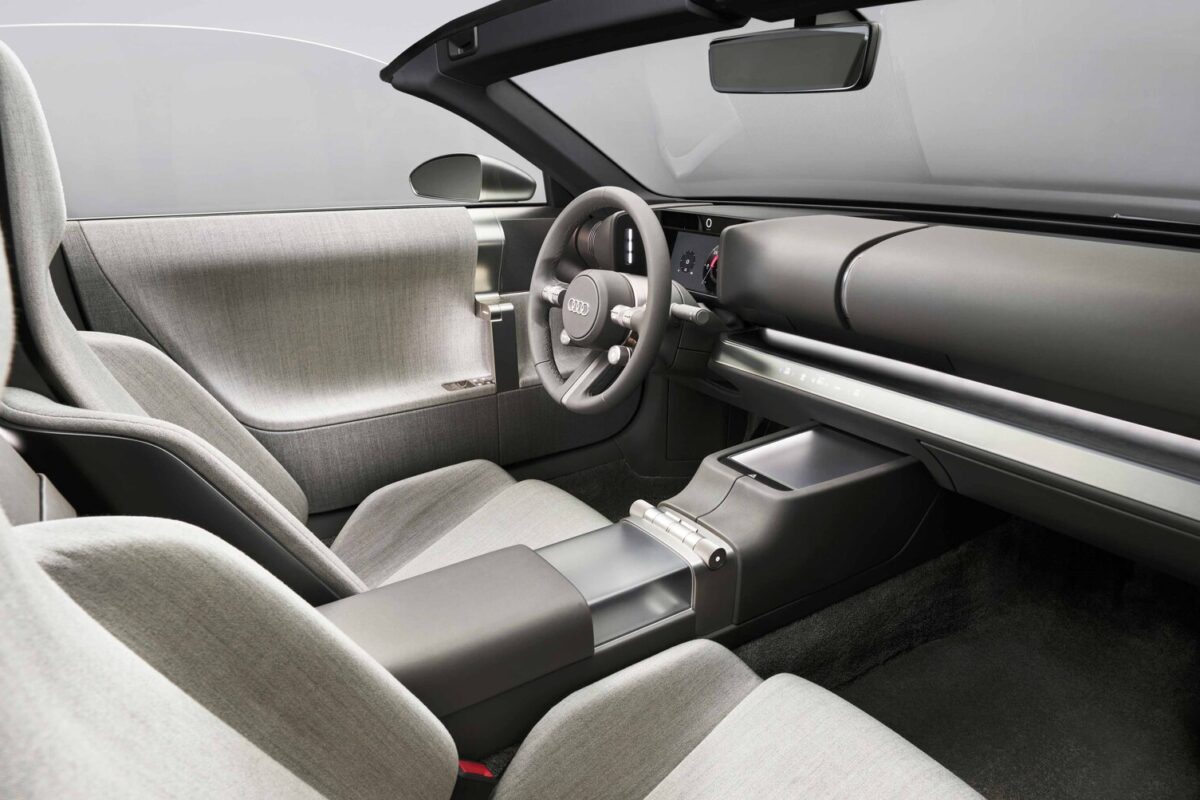
There is a palpable shift happening within the halls of Ingolstadt. After a few years of playing it safe—and perhaps leaning too heavily into the industry trend of “screens over substance”—Audi is reclaiming its design mojo. For fans of the four rings, the latest direction from the brand suggests a return to the golden era of German sophistication, led by a heavyweight new hire.
Audi’s recent recruitment of Massimo Frascella as Chief Creative Officer is a statement of intent. Frascella isn’t just any designer; he was the lead exterior designer at Land Rover, the man responsible for the minimalist silhouette of the Velar, the rugged rebirth of the Defender, and the peerless stature of the current Range Rover.
His philosophy focuses on clean lines and undeniable presence—elements that are already bleeding into Audi’s future roadmap.
Audi has always been a pioneer in “slipperiness.” From the flush-glazed 100 in 1982 to the cult-classic A2 and the new ultra-efficient A6 e-tron, the brand’s aero credentials are unimpeachable. However, there has always been a tension between the wind tunnel and the artist’s pen.
Frascella’s approach is clear: Proportions come first. While aerodynamics are essential for the EV era, Frascella insists that “you cannot compromise on the foundations of the design.” The goal isn’t just a car that cuts through the wind; it’s a car that looks right standing still.
Reclaiming the Interior: Beyond the Mega-Screen
Perhaps the most exciting news for Audi purists concerns the cabin. In recent years, Audi—like many of its competitors—veered toward generic, fingerprint-prone mega-screens and shiny plastics. It felt a world away from the tactile, peerless quality of the early 2000s.
The new Concept C serves as a course correction. It moves away from the “technology for the sake of technology” mindset, opting for smaller screen real estate and a return to high-end materials.
The Return of the “Audi Click”
“Tactility is very important,” the design team emphasizes. The goal is to move back toward a seamless mix of digital and analog. This means the return of metal parts, precision engineering, and what enthusiasts affectionately call the “Audi Click”—that perfect, weighted mechanical feedback from a physical dial or button.
For Audi, luxury isn’t about how many inches of glass you can fit on the dashboard. It’s about the perception of quality, the precision of the build, and technology that stays out of the way until you actually need it.
The Verdict: If the Concept C and Frascella’s vision are any indication, Audi is moving away from being a “tech company on wheels” and returning to its roots: building the most beautiful, best-assembled driver environments in the world.
